
The Future of Marketing Is Already Here, And YouTube Is Leading It
Five takeaways from YouTube Brandformance 2026, including brand-performance convergence, incrementality, AI, creative velocity and creators.
By Devin Deaton
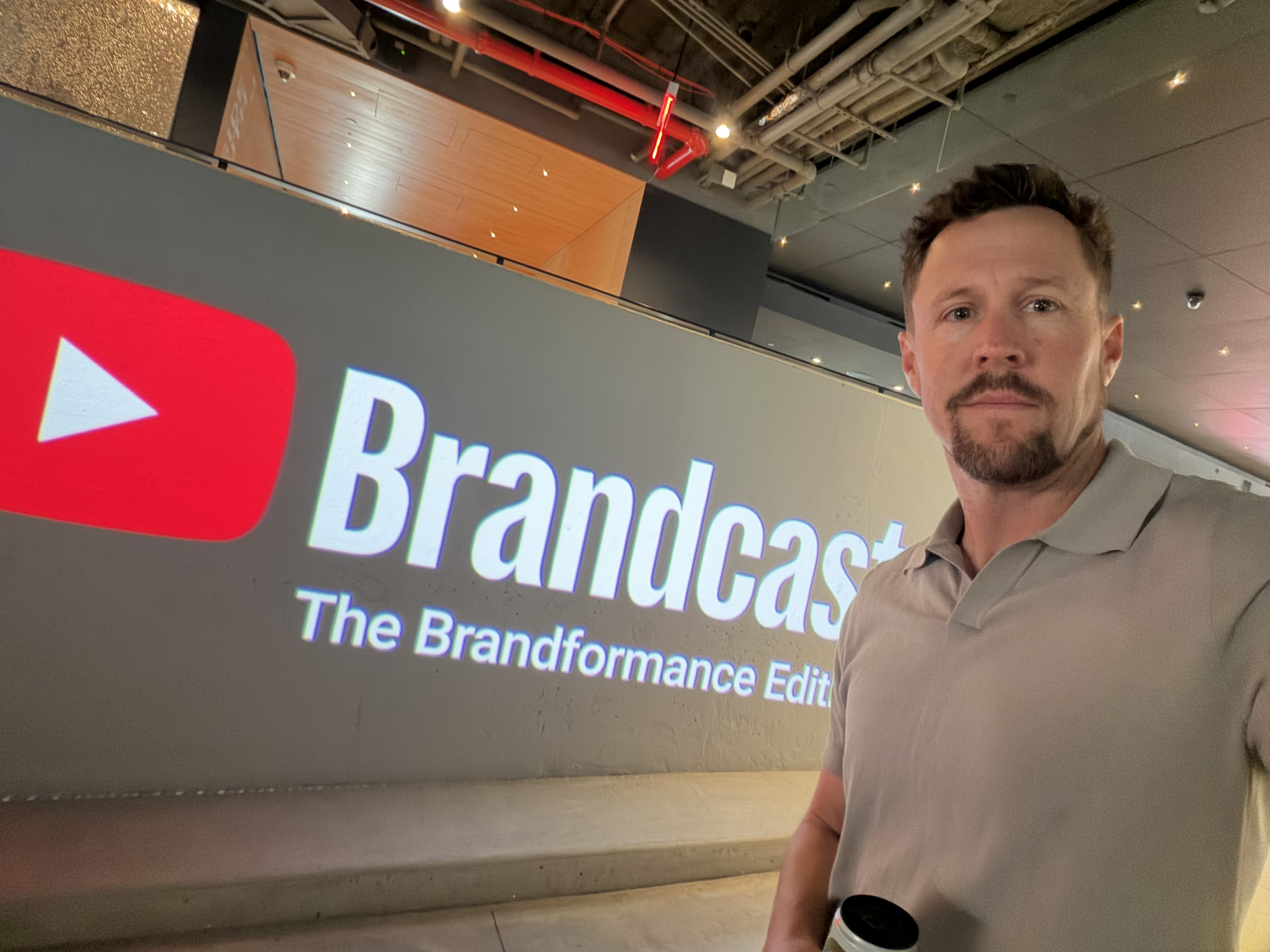
I had the incredible opportunity to attend YouTube’s Brandformance 2026 this year, and honestly, they took things to another level. Hearing from leaders across Google, YouTube, and top brands in the world, one thing became very clear: YouTube is no longer just a media platform. It’s becoming the operating system for modern marketing.
Here were my five biggest takeaways from the event.
1. The Divide Between Brand and Performance Marketing Is Disappearing
One of the biggest themes throughout the event was the collapse of the traditional divide between brand marketing and performance marketing. For years, those functions operated separately with different KPIs and budgets. But consumer behavior no longer follows clean funnels, and increasingly, marketing strategies can’t either.
Google repeatedly emphasized the concept of “full-journey media,” positioning YouTube as one of the only environments where consumers are simultaneously searching, streaming, scrolling, and shopping. Discovery, engagement, trust-building, and conversion are now happening almost simultaneously across connected platforms, forcing brands to rethink how campaigns are built and measured.
2. First-Party Data and Measurement Infrastructure Are Becoming Competitive Advantages
Non-linear consumer behavior is also accelerating the necessity of first-party data and measurement maturity. Since AI is only as effective as the data ecosystem powering it, it makes sense that proper data management is more important than ever before. Brands that can’t master their data are going to be left behind in this next era of AI-inclusive marketing.
That’s also why one of the most important conversations throughout the event centered around the industry’s shift from attribution-based thinking to incrementality-based thinking. Attribution asks which channel gets credit for a conversion. Incrementality asks which channels actually created business growth.
That distinction matters more than ever.
Several presenters shared examples of YouTube campaigns materially impacting downstream search behavior, conversion performance, and overall business growth in ways traditional attribution models often fail to capture. Investing in stronger measurement infrastructure today will enable better, more adaptive marketing decisions tomorrow.
3. AI Isn’t Replacing Marketers, It’s Amplifying Them
AI was obviously central to nearly every conversation throughout the event, but interestingly, the focus wasn’t on replacing marketers. In many ways, it was the opposite.
Google framed AI as a system designed to accelerate adaptation, optimization, and execution, while reinforcing that human creativity and strategic thinking remain the true differentiators.
That balance between human creativity and computational power showed up everywhere throughout the event. Google showcased major updates to Asset Studio that allow advertisers to generate image and video assets using natural language prompts, rapidly test creative variations, and streamline creative workflows directly inside campaign environments.
But the larger story wasn’t simply faster content production. It was adaptability. AI is reducing operational friction so marketers can spend less time buried in manual execution and more time focused on storytelling.
4. Creative Velocity Is Becoming Marketing’s Biggest Performance Lever
One of the most interesting discussions throughout Brandformance 2026 centered around creative velocity.
The ability to create, test, iterate, and personalize creative at scale is quickly becoming one of the biggest competitive advantages in marketing. One speaker shared that creative now drives more than 50% of overall media performance outcomes.
That’s a major shift from how many organizations still approach marketing today, where optimization conversations often focus far more on media buying than on the creative system itself.
The rise of AI-powered creative workflows is making it possible for brands to rapidly adapt messaging, formats, and storytelling across audiences and platforms in ways that previously required enormous production resources.
5. Creators Are Becoming Full-Funnel Acquisition Channels
The conversations around creators were equally fascinating. Google shared research showing that creator-led campaigns drive meaningful lifts in conversion performance, including a 20% increase in conversion lift when creator content is incorporated into campaigns.
More importantly, YouTube is now building infrastructure that allows brands to scale creator content directly into performance ecosystems through tools like Affiliate Partnership Boost and Creator Partnership Hub.
That evolution matters because creators are no longer simply awareness channels. They’re becoming full-funnel acquisition engines capable of driving both trust and measurable performance outcomes.
Final Thoughts
Brandformance 2026 wasn’t really about ads. It was about the emergence of adaptive marketing systems capable of combining creativity, data, AI, media, and measurement into unified growth engines. The agencies and brands that embrace that shift early are going to create meaningful separation in the market as they execute faster than everyone else.
Max Connect Digital