
How Great Leaders Keep Climbing; Jenn Drummond on Leadership & Resilience
Recaps mountaineer Jenn Drummond's Industry Insider Summit talk and the leadership lessons she draws from avalanches, failed climbs and Everest.
By Jason Angle
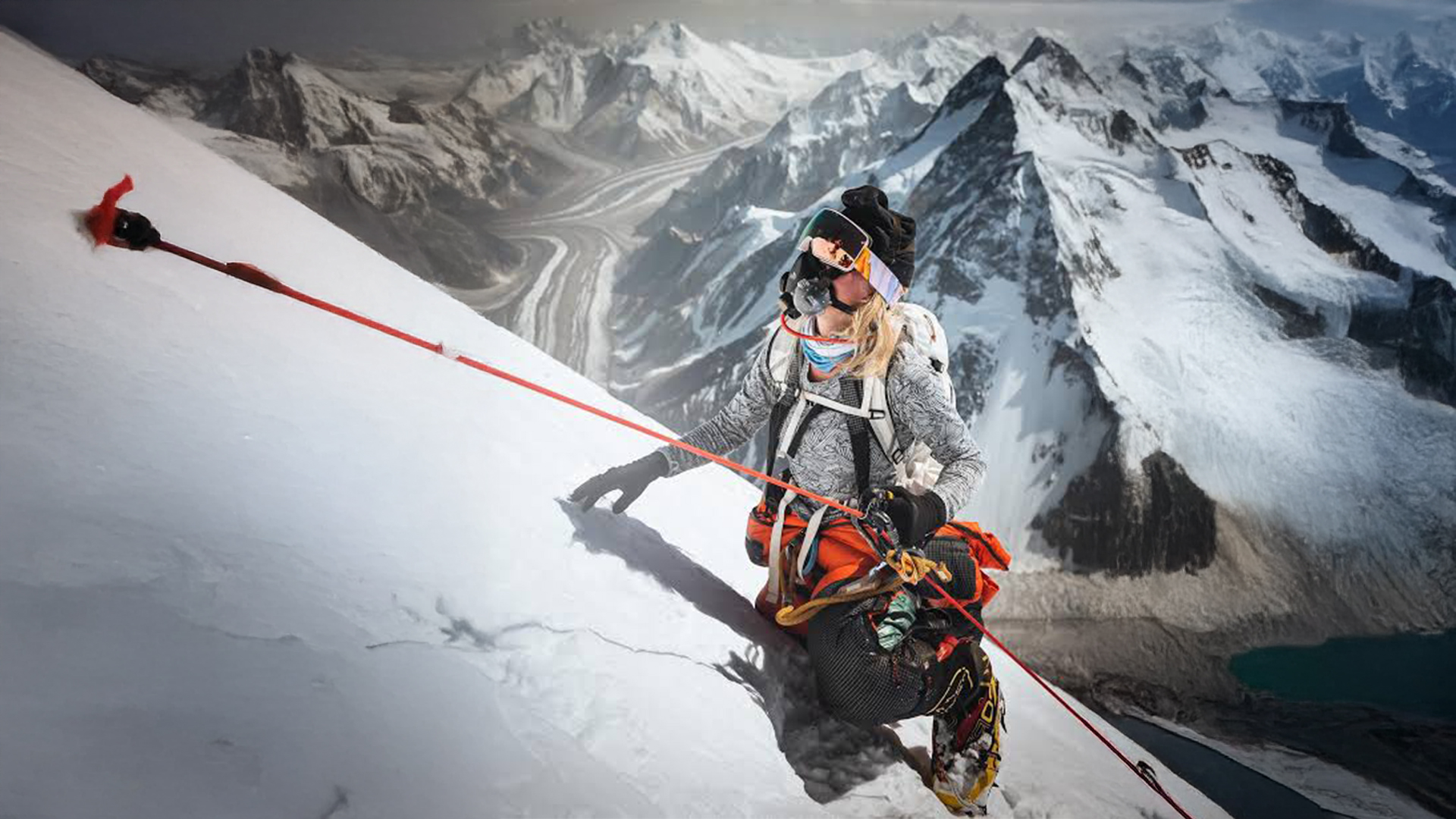
At Max Connect Digital’s 2026 Industry Insider Summit, world-record mountaineer, Jenn Drummond, told stories about avalanches, failed climbs, missing gear, and the brutal reality of climbing mountains like Everest. Somewhere inside those stories were some of the most practical leadership lessons of the entire summit.
What made Jenn’s keynote hit differently was that none of it felt theoretical. Every lesson had been pressure-tested at 26,000 feet.
Sometimes Progress Looks Like Going Backward
One of the strongest themes from Jenn’s presentation came from how climbers acclimatize on Everest. Instead of continuously climbing upward, mountaineers repeatedly hike up the mountain only to come back down before making another attempt.
To most people, that feels backwards. In reality, it’s what allows the body to survive at higher elevations later.
That idea landed hard in a business context. Companies love momentum. Teams want constant upward growth. But Jenn’s point was that setbacks, pauses, pivots, and failed attempts are often the exact thing preparing you for the next level.
Fear Doesn’t Go Away. You Just Learn to Climb With It.
Jenn admitted something the audience probably didn’t expect from a world-record mountaineer: she discovered she had a fear of heights while training. During an early climbing session, she completely froze only ten feet off the ground. Her coach’s solution wasn’t to eliminate fear. It was exposure. One handhold higher every day. Over and over again.
That lesson translates directly into leadership. Most people assume confidence comes first and action follows. Jenn’s experience suggested the opposite. Confidence is usually earned after repeatedly doing uncomfortable things.
Perspective Changes the Entire Experience
Midway through Everest, Jenn found herself climbing through freezing conditions on the Lhotse Face. Her teammates were miserable. Meanwhile, she was oddly energized and in a great mood because of the pink-tinted glacier glasses she was wearing. The entire mountain literally looked warmer and brighter through that lens.
She called it the “Pink Lens Theory.”
Same storm. Same mountain. Completely different experience.
It was one of the most relatable moments of the keynote because every business has lived this before. Two teams can face the exact same market conditions while responding entirely differently. One spirals into negativity. The other sees opportunity.
Jenn’s point wasn’t that mindset magically removes hard things. It’s that perspective often determines whether people have the energy to keep climbing through them.
The Thing You’re Most Afraid Of Might Never Happen
Before Everest, Jenn spent months obsessing over the infamous Hillary Step, one of the mountain’s most feared obstacles. She built it up in her mind the entire expedition. Then she reached the summit and discovered the Hillary Step essentially didn’t exist that season because snow had filled it in.
The audience laughed, but every leader in the room immediately understood the point.
Businesses waste enormous energy worrying about hypothetical disasters, future scenarios, and imagined worst-case outcomes. Sometimes the thing consuming the most mental space never even materializes.
And even when challenges do show up, they’re rarely exactly what we pictured in our heads.
Big Mountains Require Big Teams
The emotional center of Jenn’s keynote came during her stories about K2, one of the deadliest mountains in the world. After tragedy struck during one expedition, she shared the lesson that changed how she viewed leadership entirely:
“Big mountains take big teams.”
Whether you’re climbing Everest or scaling a business, there comes a point where individual effort stops being enough. Success becomes about trust, support systems, shared energy, and surrounding yourself with people who can help carry the weight when conditions get difficult.
And maybe that was Jenn Drummond’s biggest takeaway of all: the summit itself is fleeting. The real reward is who you become and who you bring with you during the climb.
Max Connect Digital